Purchasing or leasing a new commercial property is a major milestone for any business. Whether the space will serve as an office, retail location, warehouse, manufacturing facility, or another type of commercial operation, the property itself can have a major impact on your company’s future. A well-prepared property can support productivity, protect employees and customers, and create a strong foundation for growth.
Getting a commercial property ready for success requires more than moving in furniture and equipment. Before operations begin, owners and managers need to evaluate the building, address maintenance concerns, establish safety procedures, prepare the grounds, and make sure essential systems are ready to handle daily demands. It is also important to consider how the property will support customers, employees, vendors, and future expansion.
The process can feel overwhelming, particularly when there are many different contractors, systems, regulations, and logistical details to manage. Breaking the preparation process into manageable steps can make it easier to identify priorities and avoid expensive surprises.
Evaluate the Property Before Moving In
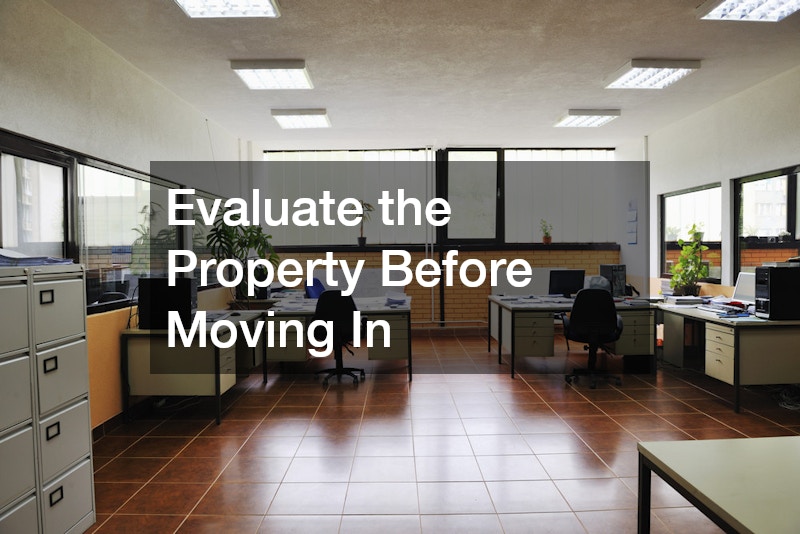
One of the first things to do after acquiring a commercial property is conduct a thorough evaluation. Even if a property was inspected before purchasing or leasing it, another walkthrough can help you identify issues that need attention before regular operations begin.
Look at the building from both an operational and maintenance perspective. Examine doors, windows, flooring, ceilings, walls, lighting, electrical components, plumbing fixtures, and other visible features. Pay attention to signs of water damage, unusual odors, cracks, leaks, corrosion, or other problems that could become more serious over time.
It is also helpful to review the property’s existing systems and maintenance records. Find out when major equipment was installed, when it was last serviced, and whether warranties are still active. Understanding the age and condition of these systems can help you determine which improvements should happen immediately and which can be planned for later.
Do not overlook the exterior. Parking areas, sidewalks, drainage systems, landscaping, loading zones, exterior lighting, signage, and entryways all contribute to the property’s functionality and appearance. Problems in these areas can create safety concerns or make the property less convenient for employees, customers, and delivery personnel.
Creating a written list of issues during the initial evaluation can make the rest of the preparation process much easier. Divide items into immediate repairs, short-term improvements, and long-term projects so you can prioritize your budget effectively.
Create a Realistic Preparation Budget
Commercial property improvements can become expensive quickly. Creating a detailed budget before work begins can help prevent costs from getting out of control.
Start by identifying essential expenses. These may include repairs, inspections, permits, utilities, security improvements, equipment installation, signage, cleaning, landscaping, and professional services. Then consider upgrades that could improve efficiency, employee comfort, customer experience, or long-term property value.
It is wise to set aside an emergency reserve as well. Older commercial buildings can contain hidden problems that are not obvious during an initial inspection. A plumbing issue behind a wall, outdated electrical infrastructure, drainage problem, or roofing concern can quickly change your project budget.
Prioritizing your spending can help you distinguish between improvements that are necessary before opening and those that can wait. For example, repairing a serious leak should take priority over installing decorative features. Likewise, addressing a safety concern should happen before making cosmetic improvements.
A realistic budget should also account for ongoing expenses. Property taxes, insurance, utilities, maintenance, repairs, security, cleaning, and landscaping can all contribute to the cost of operating a commercial property. Understanding these expenses from the beginning can make financial planning easier as the business grows.
Inspect and Prepare Major Building Systems
A commercial property depends on numerous systems working together. Before opening, have qualified professionals evaluate major components of the building to determine whether they are safe, functional, and appropriate for your business.
Heating and cooling equipment deserves particular attention because temperature control affects both comfort and operations. Depending on the size and use of the building, your needs may go well beyond those of a typical residential property. Professional HVAC services can help identify problems, perform necessary maintenance, and determine whether the existing equipment can adequately serve the space.
Some businesses may need specialized commercial HVAC systems because of their size, occupancy levels, equipment, or operating requirements. Warehouses, restaurants, manufacturing facilities, and other commercial environments may have different ventilation and temperature-control needs than traditional offices.
Plumbing should receive a similar evaluation. Check faucets, toilets, drains, water heaters, supply lines, and other components for leaks or signs of deterioration. Businesses that rely heavily on water may require additional capacity or specialized infrastructure. Scheduling commercial plumbing services before problems arise can help reduce the likelihood of disruptive plumbing emergencies after opening.
Electrical systems should also be assessed. Make sure the property has enough electrical capacity for computers, lighting, machinery, appliances, charging equipment, and other technology your business will use. An electrical professional can identify outdated components, overloaded circuits, or other concerns that need to be addressed.
Prepare the Property for Your Specific Business
Every commercial property has different requirements, and a space that worked well for one tenant may not be ideal for another. Consider how your company will actually use every part of the property.
Think about employee workstations, customer areas, storage, inventory, equipment, break rooms, restrooms, conference spaces, production areas, and loading zones. The layout should make it easy for people and materials to move through the building without unnecessary obstacles.
If you operate a warehouse or distribution business, for example, you may need designated areas for receiving, storage, picking, packing, and shipping. Equipment should be positioned so employees can work efficiently while maintaining safe pathways.
Businesses that rely on heavy machinery or vehicles may have additional structural and logistical considerations. Forklift rentals can be useful when a company needs temporary material-handling equipment during a move, renovation, installation, or initial setup. However, equipment should only be operated by properly trained personnel and in accordance with applicable safety requirements.
Consider future needs as well. If you expect your workforce or inventory to grow, avoid designing the property around today’s needs alone. Leaving some flexibility in the layout can make future expansion easier and less expensive.

Make Safety a Top Priority
Safety should be one of the central considerations when preparing a commercial property. Employees, customers, contractors, and visitors all need to be able to use the property safely.
Start by identifying potential hazards. Look for uneven flooring, blocked exits, inadequate lighting, exposed wiring, slippery surfaces, unsecured equipment, and other conditions that could lead to injuries.
Emergency exits should be clearly identified and accessible. Fire extinguishers, alarms, emergency lighting, first-aid supplies, and other safety equipment should be inspected and positioned appropriately. Employees should also know what to do in the event of a fire, severe weather event, workplace accident, or other emergency.
If your property involves construction, manufacturing, welding, machinery, or other industrial activities, safety planning becomes even more important. For example, welding repair services may be necessary to maintain or repair metal structures, equipment, railings, gates, or other components. Such work should be completed by qualified professionals using appropriate safety procedures.
Develop written procedures for routine hazards and emergencies. Make sure employees understand these procedures before they begin working independently. Regular training and safety reviews can help create a workplace culture in which employees recognize and report potential problems.
Address the Roof Before Problems Develop
The roof is one of the most important protective components of a commercial building. Unfortunately, roofing problems are sometimes ignored until they cause visible interior damage.
Before moving into the property, inspect the roof for damaged materials, drainage issues, standing water, deteriorated flashing, damaged membranes, or other warning signs. Even a relatively small roofing problem can eventually lead to water intrusion, damaged insulation, mold growth, or structural concerns.
Depending on the building’s age and condition, you may need repairs, maintenance, or a complete replacement. Professional commercial roofing contractors can evaluate the roof and recommend appropriate solutions.
It is also important to understand the expected lifespan of the roofing system. Knowing when major replacement may be necessary allows you to plan financially rather than being caught off guard by an emergency.
Regular inspections after moving in can further protect the investment. Preventive maintenance is generally easier to manage than dealing with extensive water damage after a major leak.

Improve the Parking Lot and Exterior
The condition of the property’s exterior can influence both safety and first impressions. Customers may form an opinion about a business before they even walk through the front door, making parking areas, sidewalks, landscaping, and entrances worth attention.
Inspect the parking lot for potholes, cracks, drainage problems, faded markings, and uneven surfaces. A damaged parking area can create trip hazards, damage vehicles, and make the property look poorly maintained.
If significant repairs are necessary, an asphalt pavement company can evaluate the surface and determine whether patching, resurfacing, or replacement is appropriate.
Drainage should also be considered. Water that does not move away from buildings and paved areas can contribute to erosion, flooding, foundation problems, and pavement deterioration. Properties located on slopes or areas with significant runoff may benefit from guidance from erosion control specialists.
Exterior lighting is another important consideration. Parking areas, entrances, sidewalks, loading zones, and other high-traffic areas should have adequate illumination. Good lighting can improve visibility, support safety, and make the property more welcoming after dark.
Review the Property’s Roofing, Plumbing, and Mechanical Needs
A commercial property should be viewed as a long-term investment rather than simply a place to conduct business. Establishing preventive maintenance routines early can help protect that investment.
Create a schedule for inspecting major building systems. Include heating and cooling equipment, plumbing, electrical systems, roofing, drainage, doors, windows, elevators if applicable, and other important components.
Keep documentation for maintenance and repairs. Record the date of each service, what work was performed, who completed it, and whether additional work was recommended. These records can help identify recurring problems and make it easier to plan future expenses.
Preventive maintenance may also improve efficiency. Equipment that receives regular attention is often easier to keep operating reliably than equipment that is only serviced after something breaks.
Work with qualified professionals who understand commercial buildings and your property’s particular needs. Building systems can be more complicated than residential systems, and inadequate repairs can lead to larger problems.
Plan Construction and Renovation Work Carefully
Many businesses need to modify their new commercial property before moving in. Renovations might include creating offices, installing partitions, upgrading restrooms, improving accessibility, changing lighting, or modifying production areas.
Develop a clear project plan before construction begins. Identify the scope of work, budget, timeline, required permits, contractors, materials, and expected disruptions.
If portions of an existing structure need to be removed, commercial demolition contractors can help safely handle demolition work. Professional demolition is particularly important when dealing with large structures, heavy materials, structural components, or potentially hazardous materials.
Coordinate different trades carefully. Plumbing, electrical, HVAC, flooring, painting, construction, and other projects may depend on one another. Poor scheduling can cause delays if one contractor has to wait for another to complete work.
Whenever possible, complete disruptive work before employees and customers occupy the building. It is generally easier to renovate an empty property than to work around normal business activity.
Develop a Strong Marketing Plan
Once the property is ready, customers need to know where you are and what your business offers. Your physical location and digital presence should work together.
Update your website with the new address, contact information, hours, directions, and other relevant details. Check online business listings to make sure the information is accurate.
A digital marketing agency can also help businesses develop strategies for building visibility, reaching local customers, improving search performance, and communicating their offerings online.
The property itself can become part of your marketing strategy. Professional exterior signage, attractive landscaping, a clean entrance, and a well-designed customer area can reinforce your brand.
If the location is new to the community, consider ways to introduce the business to nearby customers and other businesses. Local events, promotions, community involvement, and digital campaigns can all help generate awareness.
Getting a new commercial property ready for success requires careful planning, thoughtful budgeting, and attention to both immediate needs and long-term goals. From inspecting major building systems to improving security, preparing the exterior, organizing maintenance, and creating an environment that supports employees and customers, every part of the property can contribute to the success of the business.
The key is to avoid treating the move into a new commercial property as the finish line. Instead, consider it the beginning of an ongoing relationship with the building. Regular maintenance, strategic improvements, reliable professional support, and forward-thinking planning can help keep the property safe, functional, efficient, and prepared to support your business for years to come.